以下是关于冷钱包和热钱包优缺点的英文内容:

### Cold Wallet vs. Hot Wallet: Advantages and Disadvantages

In the ever-evolving world of cryptocurrency, understanding the different wallets available to store digital assets is crucial for any investor or enthusiast. Among the myriad options, cold wallets and hot wallets stand out, each offering distinct advantages and disadvantages. This article delves deep into the characteristics of cold and hot wallets, helping you make an informed decision on which wallet suits your needs best.

#### What is a Hot Wallet?

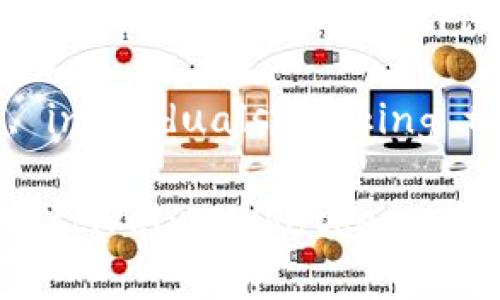
A hot wallet is any cryptocurrency wallet that is connected to the internet. These wallets are typically used for day-to-day transactions, allowing users to easily send and receive cryptocurrency. Examples of hot wallets include web wallets, mobile wallets, and desktop wallets.

##### Advantages of Hot Wallets

1. **Convenience**: Hot wallets provide easy access to your cryptocurrency. Since they are connected to the internet, you can quickly send or receive funds at any time, making them ideal for traders or those who frequently transact.

2. **User-Friendly Interface**: Most hot wallets are designed with user experience in mind. They often come with intuitive interfaces that make it easy for beginners to navigate and manage their assets.

3. **Compatibility with Exchanges**: Hot wallets often integrate seamlessly with cryptocurrency exchanges, allowing users to buy, sell, or trade their assets without having to transfer funds between different wallets.

#### Disadvantages of Hot Wallets

1. **Security Risks**: Being constantly connected to the internet, hot wallets are more susceptible to hacking and malware attacks. If your device gets compromised, your funds could be at risk.

2. **Limited Storage for Large Amounts**: While hot wallets are convenient, they are typically not recommended for storing large amounts of cryptocurrency. Investors are advised to use them primarily for funds intended for trading or short-term use.

3. **Reliance on Third-Party Services**: Many hot wallets rely on third-party servers, which can be a single point of failure. If the service provider encounters issues, users may temporarily lose access to their funds.

#### What is a Cold Wallet?

Conversely, a cold wallet is a type of cryptocurrency wallet that is not connected to the internet. These wallets are used for storing assets securely, making them ideal for long-term holding. Common examples include hardware wallets and paper wallets.

##### Advantages of Cold Wallets

1. **Enhanced Security**: Cold wallets are significantly more secure because they are offline. This greatly reduces the risk of hacking, making them a preferable option for storing large amounts of cryptocurrency.

2. **Long-Term Storage**: Investors who plan to hold their cryptocurrency for an extended period often choose cold wallets. These wallets provide peace of mind, as they protect assets from the volatility and risks associated with online storage.

3. **Complete Control Over Your Funds**: With cold wallets, users have full control of their private keys. This autonomy minimizes the risks associated with third-party custodians.

#### Disadvantages of Cold Wallets

1. **Less Convenient**: Accessing funds stored in a cold wallet requires more effort compared to hot wallets. Users must connect the cold wallet to a device, which can take time, especially if they need to make a quick transaction.

2. **Learning Curve**: Cold wallets, particularly hardware wallets, might require some technical knowledge to set up and use. Beginners may find these wallets more challenging compared to easier-to-use hot wallets.

3. **Risk of Loss or Damage**: Cold wallets, especially physical devices, can be lost or damaged. If a user misplaces their hardware wallet or fails to back up their paper wallet, they could permanently lose access to their assets.

### Conclusion

In conclusion, both cold and hot wallets serve essential roles in cryptocurrency storage. Hot wallets excel in convenience and user-friendliness, making them suitable for regular transactions. However, their inherent security risks can be a disadvantage for long-term investors. Cold wallets, while offering superior security, might not be as convenient for day-to-day use.

Ultimately, the choice between a cold wallet and a hot wallet comes down to individual needs. For those who prioritize ease of access and frequent trading, a hot wallet may be the way to go. Meanwhile, individuals looking to securely store sizable amounts of cryptocurrency for the long term will likely benefit from the robust security that cold wallets provide.

In a landscape where the value of digital assets can fluctuate wildly, understanding the tools available—especially wallets—empowers users to make informed decisions that protect their investments effectively. Whether you choose a hot wallet or a cold wallet, ensuring the security and accessibility of your cryptocurrency is key to a successful investment journey.以下是关于冷钱包和热钱包优缺点的英文内容:

### Cold Wallet vs. Hot Wallet: Advantages and Disadvantages

In the ever-evolving world of cryptocurrency, understanding the different wallets available to store digital assets is crucial for any investor or enthusiast. Among the myriad options, cold wallets and hot wallets stand out, each offering distinct advantages and disadvantages. This article delves deep into the characteristics of cold and hot wallets, helping you make an informed decision on which wallet suits your needs best.

#### What is a Hot Wallet?

A hot wallet is any cryptocurrency wallet that is connected to the internet. These wallets are typically used for day-to-day transactions, allowing users to easily send and receive cryptocurrency. Examples of hot wallets include web wallets, mobile wallets, and desktop wallets.

##### Advantages of Hot Wallets

1. **Convenience**: Hot wallets provide easy access to your cryptocurrency. Since they are connected to the internet, you can quickly send or receive funds at any time, making them ideal for traders or those who frequently transact.

2. **User-Friendly Interface**: Most hot wallets are designed with user experience in mind. They often come with intuitive interfaces that make it easy for beginners to navigate and manage their assets.

3. **Compatibility with Exchanges**: Hot wallets often integrate seamlessly with cryptocurrency exchanges, allowing users to buy, sell, or trade their assets without having to transfer funds between different wallets.

#### Disadvantages of Hot Wallets

1. **Security Risks**: Being constantly connected to the internet, hot wallets are more susceptible to hacking and malware attacks. If your device gets compromised, your funds could be at risk.

2. **Limited Storage for Large Amounts**: While hot wallets are convenient, they are typically not recommended for storing large amounts of cryptocurrency. Investors are advised to use them primarily for funds intended for trading or short-term use.

3. **Reliance on Third-Party Services**: Many hot wallets rely on third-party servers, which can be a single point of failure. If the service provider encounters issues, users may temporarily lose access to their funds.

#### What is a Cold Wallet?

Conversely, a cold wallet is a type of cryptocurrency wallet that is not connected to the internet. These wallets are used for storing assets securely, making them ideal for long-term holding. Common examples include hardware wallets and paper wallets.

##### Advantages of Cold Wallets

1. **Enhanced Security**: Cold wallets are significantly more secure because they are offline. This greatly reduces the risk of hacking, making them a preferable option for storing large amounts of cryptocurrency.

2. **Long-Term Storage**: Investors who plan to hold their cryptocurrency for an extended period often choose cold wallets. These wallets provide peace of mind, as they protect assets from the volatility and risks associated with online storage.

3. **Complete Control Over Your Funds**: With cold wallets, users have full control of their private keys. This autonomy minimizes the risks associated with third-party custodians.

#### Disadvantages of Cold Wallets

1. **Less Convenient**: Accessing funds stored in a cold wallet requires more effort compared to hot wallets. Users must connect the cold wallet to a device, which can take time, especially if they need to make a quick transaction.

2. **Learning Curve**: Cold wallets, particularly hardware wallets, might require some technical knowledge to set up and use. Beginners may find these wallets more challenging compared to easier-to-use hot wallets.

3. **Risk of Loss or Damage**: Cold wallets, especially physical devices, can be lost or damaged. If a user misplaces their hardware wallet or fails to back up their paper wallet, they could permanently lose access to their assets.

### Conclusion

In conclusion, both cold and hot wallets serve essential roles in cryptocurrency storage. Hot wallets excel in convenience and user-friendliness, making them suitable for regular transactions. However, their inherent security risks can be a disadvantage for long-term investors. Cold wallets, while offering superior security, might not be as convenient for day-to-day use.

Ultimately, the choice between a cold wallet and a hot wallet comes down to individual needs. For those who prioritize ease of access and frequent trading, a hot wallet may be the way to go. Meanwhile, individuals looking to securely store sizable amounts of cryptocurrency for the long term will likely benefit from the robust security that cold wallets provide.

In a landscape where the value of digital assets can fluctuate wildly, understanding the tools available—especially wallets—empowers users to make informed decisions that protect their investments effectively. Whether you choose a hot wallet or a cold wallet, ensuring the security and accessibility of your cryptocurrency is key to a successful investment journey.